
Welcome to the Genealogical Institute of Japan!
Do you have any of these concerns?
|
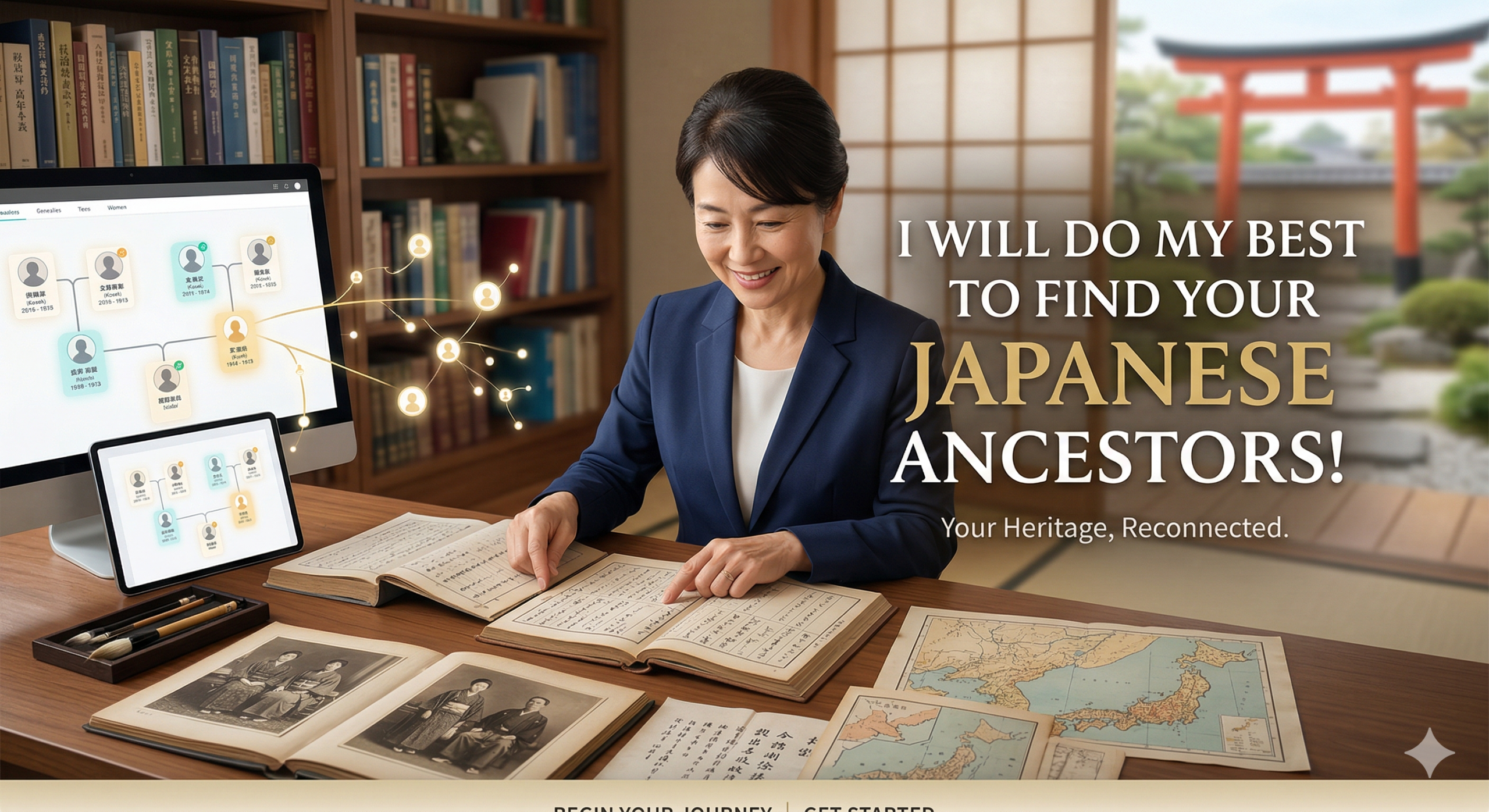
If that’s you, please take advantage of our institute.
Your ancestors left traces — in documents, graves, temples, and the memories of those who knew them. We find those traces and bring your family’s story to life.
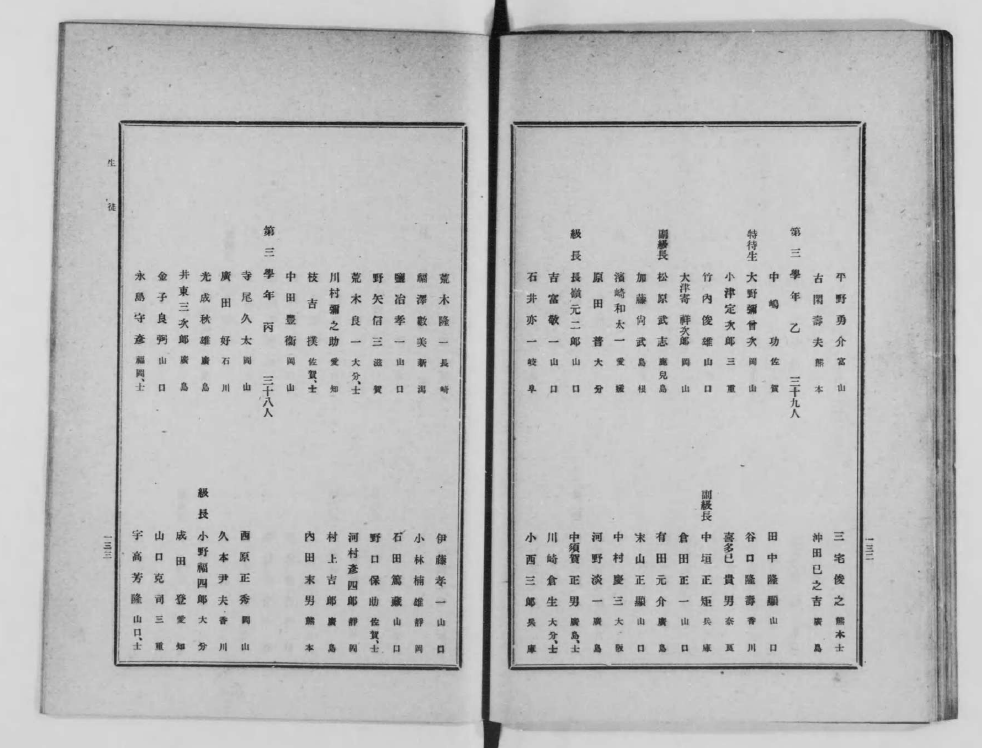
Proof that your ancestors and family lived
You often hear people say things like, “My ancestors were farmers.”
However, your ancestors are not limited to the family with your current surname; many different family lines connect to you.
And while we refer to your ancestors as a whole, it doesn’t necessarily mean that they all had the same occupation.
Each person had their own occupation, their own life, and their own family.
Let’s leave proof of each family member’s life for future generations.
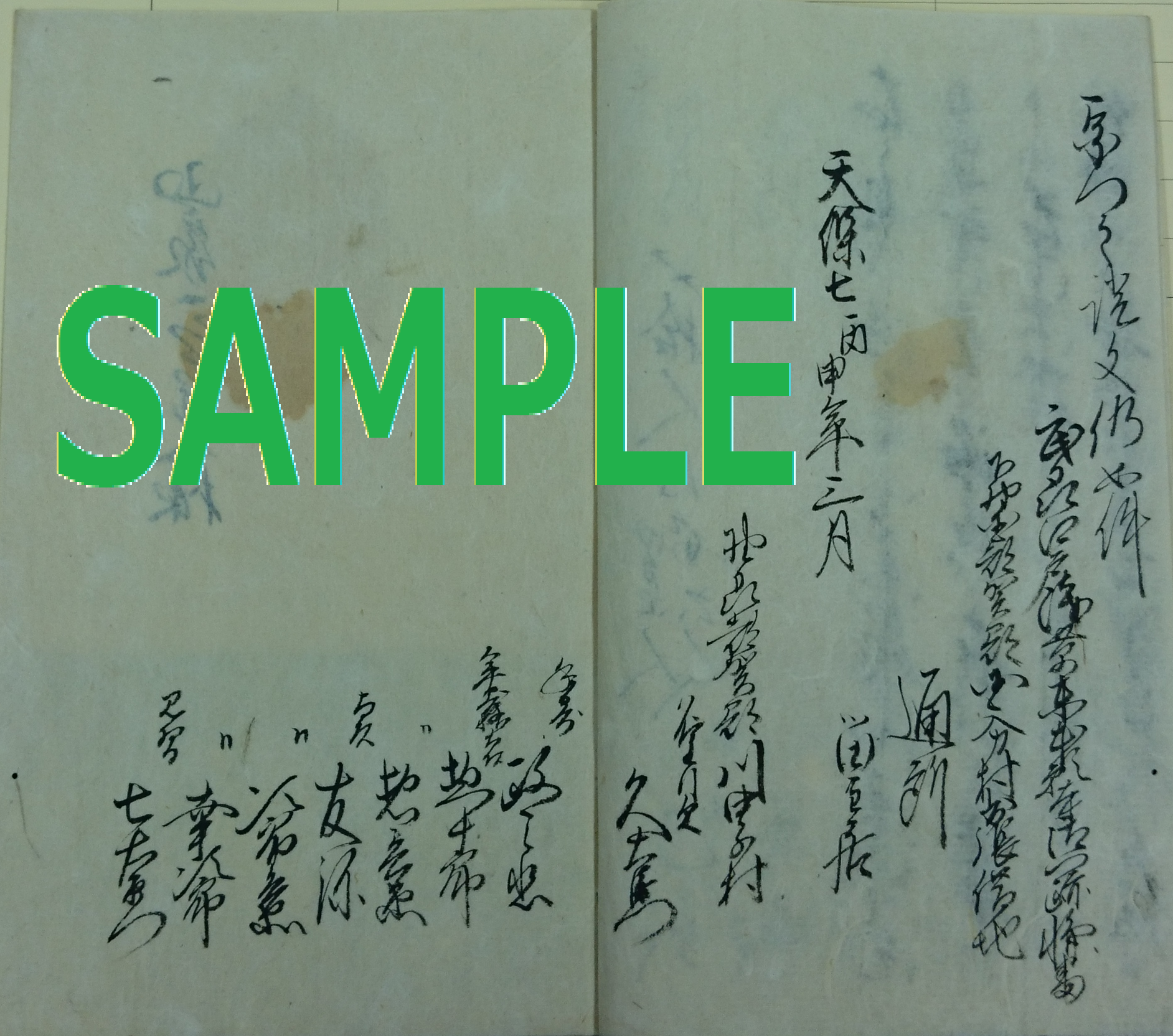
Main Services & Mission
Ancestry research and Compilation of family biographical dictionary
We assist with ancestral research and family biographical dictionary creation.
Since embellishing stories like so-called “inspirational stories” risks misleading future generations, this service provides a straightforward description.
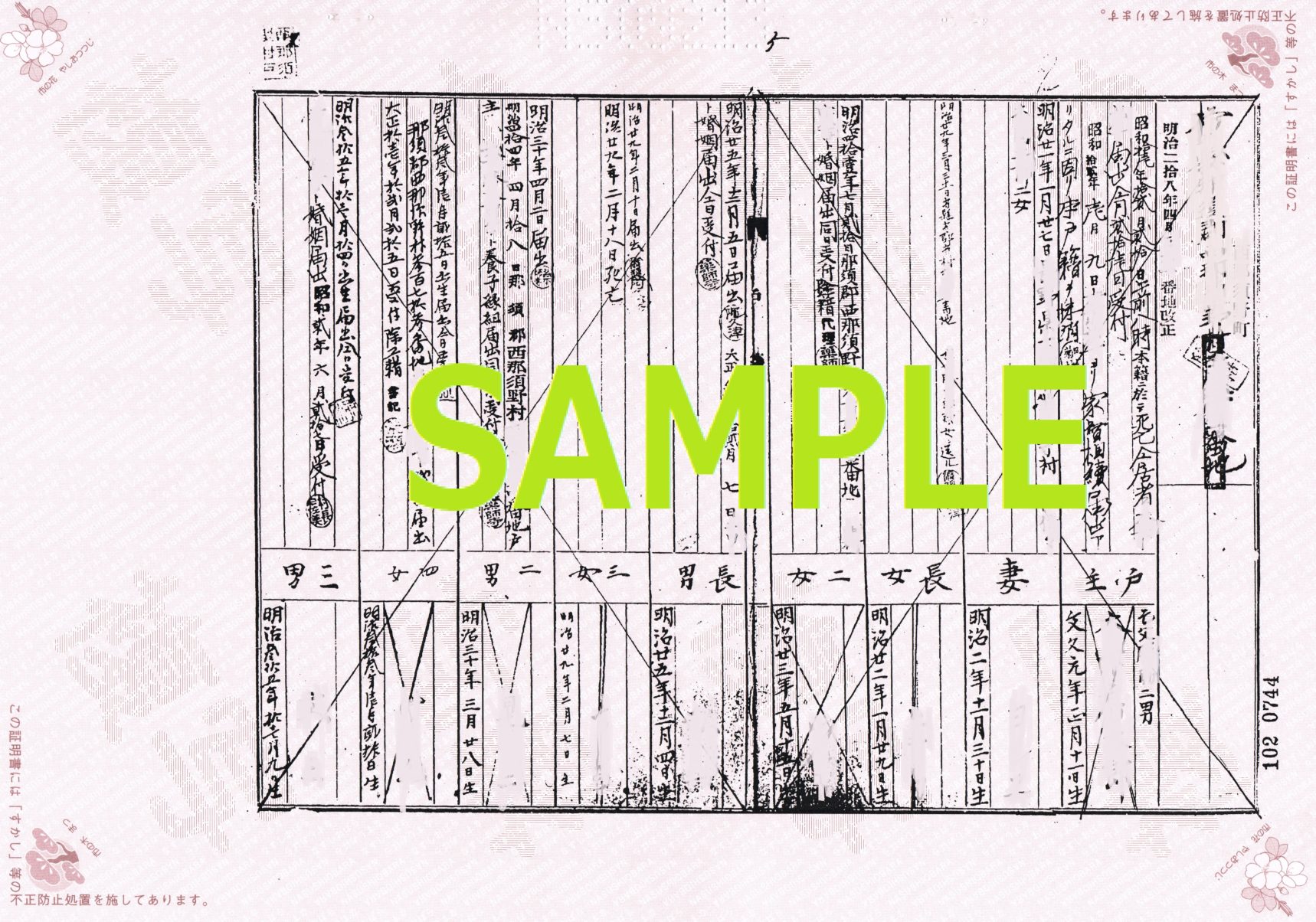
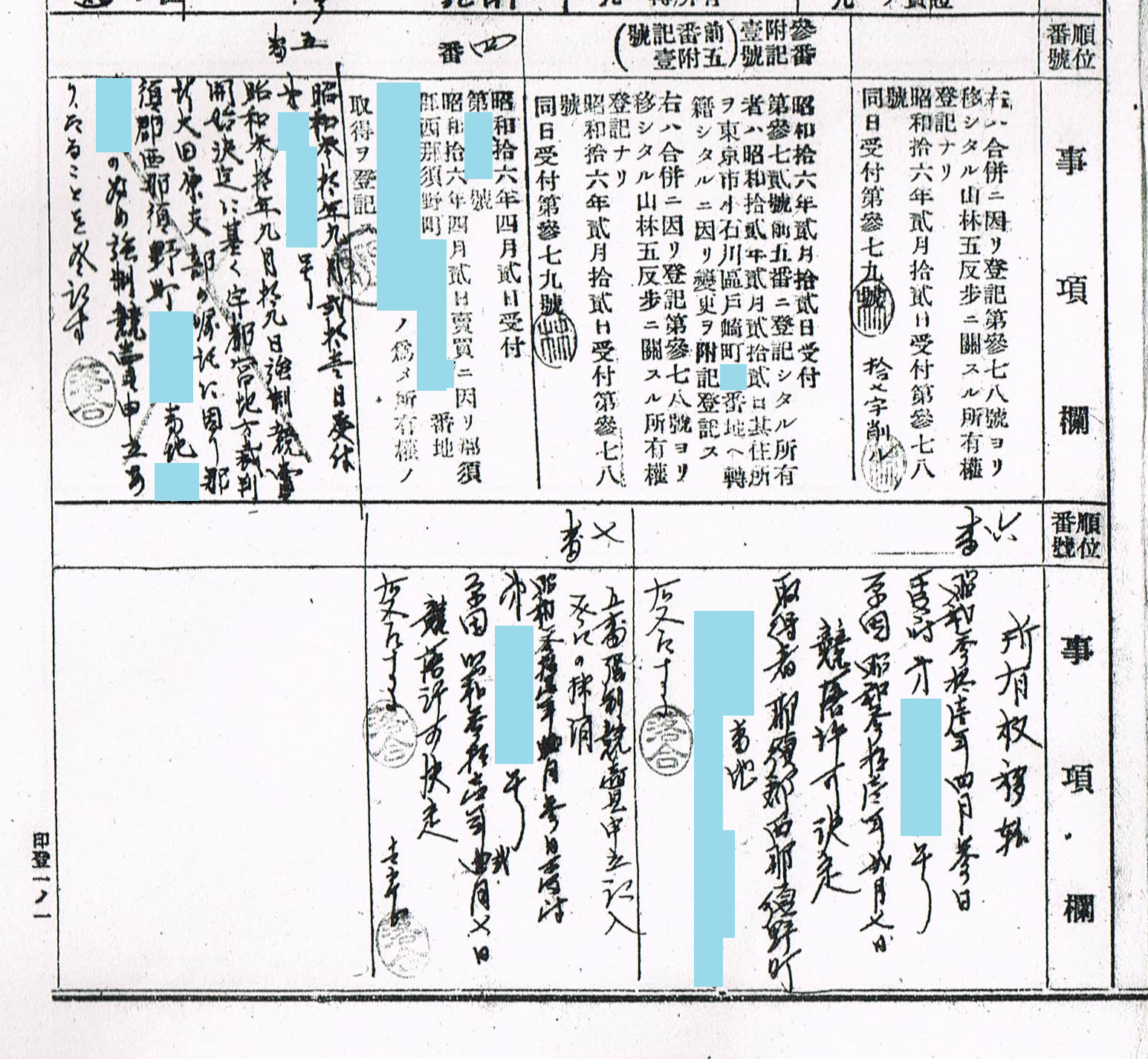
Once your koseki is obtained, we will compile your family tree from it at no additional charge as part of our research service.
At our institute,
Our motto is “100 Field Trips,” and we thoroughly research and record the journeys of your ancestors, leaving them for future generations in the form of family biographical dictionary.
Building the theory of genealogy
We are transforming traditional genealogy, which has largely relied on case studies and accumulated ancestral research know-how, into an interdisciplinary field, building the theory of genealogy.
What Sets Us Apart
Academic library access through alumni status at the University of Tokyo and Keio University — including the University of Tokyo Library, the Historiographical Institute of the University of Tokyo, and the Keio University Library — combined with legal training for rigorous document interpretation, and a track record of academic publications indexed on J-STAGE.
The University of Tokyo Library is one of Japan’s largest academic libraries, with a collection exceeding 10 million volumes — the first university library in Japan to reach that milestone. The Keio University Library is likewise among the nation’s foremost academic libraries. The Historiographical Institute of the University of Tokyo is one of Japan’s leading institutions for the preservation and study of historical primary sources.


